
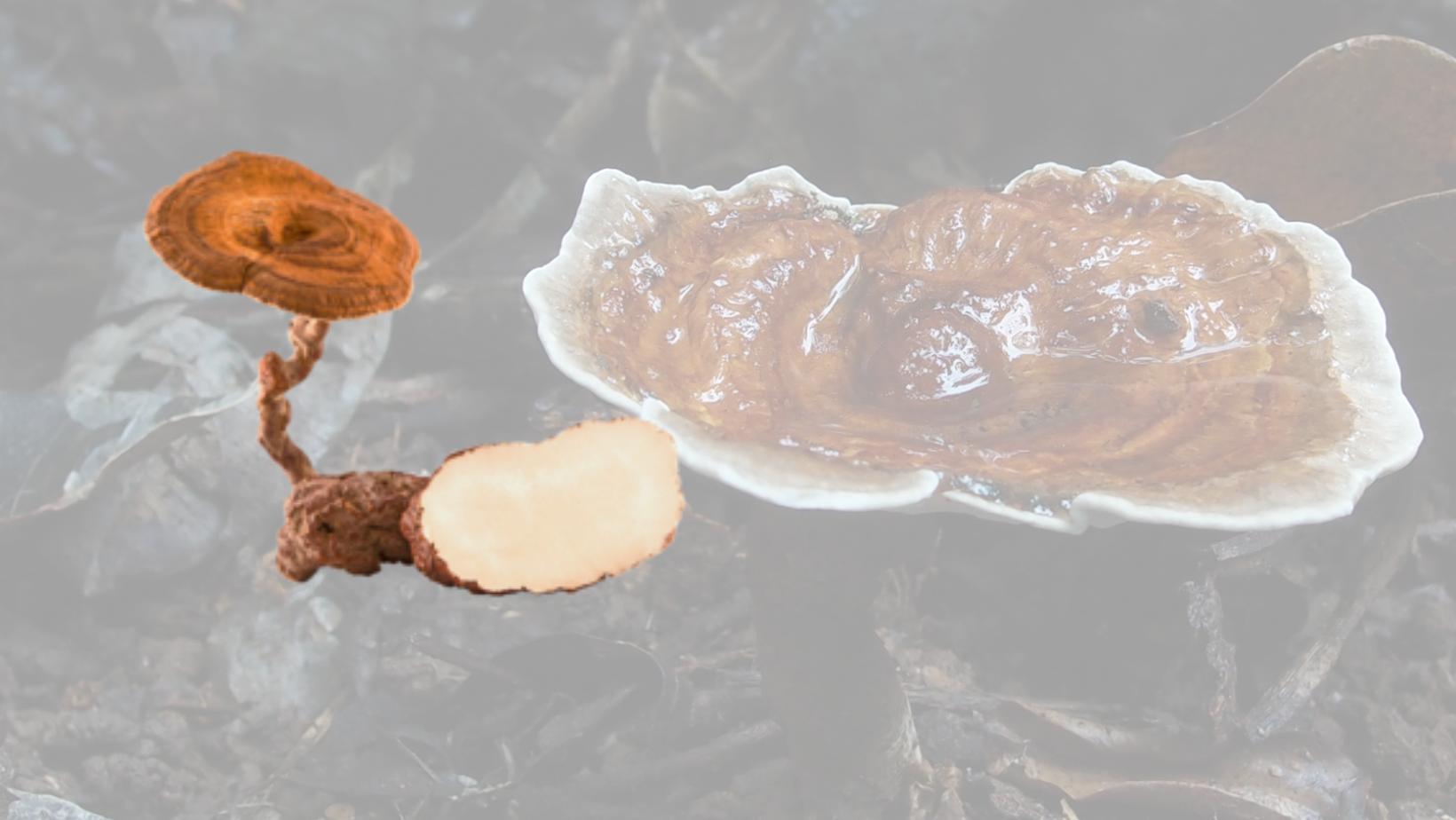
Tiger Milk Mushroom (TMM) is native to tropical forests in South East Asia including Malaysia. It was first mentioned in the “The Diary of John Evelyn” about 400 years ago. It is an important medical product which was received as repository’s collection by the Order at Paris from Jesuits of Japan and China. I bet this is the version you haven’t heard of yet. As the name suggests and according to aboriginal folklore, it is said to grow on the spot where tigress’s milk falls to the ground when a mother is feeding her cubs. Unlike other fungus species that mainly grow in groups or dense cluster, TMM grows in isolation which means you will only find one stalk at a time. On top of it, what makes it precious and rare is that you won’t and can’t find another stalk within a radius of 5km. And the worst of it even if you do happen to find one, chances are that it may have grown to a stage by which it has sprouted out from the ground and produced a stem and cap that may render it lesser in bioactive compounds. No wonder my grandmum was so proud showing her 50 years old hand-picked sclerotium!
It has been used in traditional medicine as a health tonic by Aborigines and indigenous populations to treat more than 15 medical ailments, including cough, asthma, bronchitis, joint pain, fever, breast cancer, stomach cancer, food poisoning, wound healing, indigestion and gastritis. TMM also said to improve overall wellness, enhance vitality, energy and alertness. Furthermore, almost every Chinese family in the 1950s and 60s kept Tiger Milk Mushroom in their homes as a handy medicine for cough, cold and asthma. The Malays also used it to treat various ailments including breast, liver and lung cancer.
Moving to current, TMM was successfully cultivated in 2009 making it commercially available and spurring researches on its therapeutic uses. Its sclerotium extract had been shown to be antioxidant, antimicrobial, anti-inflammatory, anti-asthmatic, and immunomodulating properties. Well, let’s review some of its health benefits.
Improves Respiratory Health, Immunity and Antioxidant
Respiratory diseases like asthma and COPD are linked to oxidative stress which damages cellular molecules causing cell injury and could induce respiratory cell death. Thus, modulation of oxidative stress aid in therapeutic management and disease prevention. Biomarkers of oxidative stress such as MDA for asthma monitoring, 8-OHdG for COPD lung cancer as well as 3-NT for acute respiratory distress syndrome (ARDS) and viral infection. Recent clinical trial with 600 mg daily for 3 months resulted significant suppression for IL-1B, IL-8, MDA and respiratory symptoms. Additionally, it also significantly induced the level of antibody IgA, total antioxidant capacity and pulmonary function. The study suggested that TMM supplementation effectively improves respiratory health, immunity and antioxidant status.
Anti-asthmatic activity
TMM extract show significantly reduce asthmatic parameters such as overactive antibody, immune cell Th2, cytokine level in lungs fluid. It also inhibits the number of eosinophil and diminished the infiltration of eosinophil in the lungs that trigger the asthmatic reaction. Furthermore, it has also shown significant ameliorated the increase in total serum immune protein, cytokine levels, eosinophil in inflamed airway asthmatic model mice.
Immunomodulatory actions
TMM is able to stimulate our immune system’s second line of defence to a desired level to fight foreign agents or substances. As a result, our body benefits from stronger immunity to defend itself against respiratory disorders caused by bacteria and viruses
Immune modulatory activity can lead to anti-inflammation and anti-tumour effect. The immune responses are mediated by various immune cells and their secondary secretory components. TMM extract promote significant up-regulation of pinocytosis, leading to increase production of immune cytokine and macrophage activation via NF-κB signal pathway
The special thing about TMM is that it can improve immune system by activating several immune effector cells (pro-inflammatory) and at the same time they can suppress the immune system by inhibiting certain inflammation markers (anti-inflammation). This combination of effect can be known as immunomodulating properties that is common among fungal metabolites, especially mushroom polysaccharides.
TMM-100 with high beta glucan and beta glucan proven for immune health…
Takeaway
There is no harm in consuming TMM provided it is within reasonable dosage and gap between your prescription medicines. The valuable medicinal mushroom is available in many consumable form suits for you. Always ask more question to the seller and always and only purchase from reliable source. Being a vigilant customer is just as important in taking care of your health. You can also reach out to your healthcare professional before starting TMM supplementation.
References
- Dahl, W. J., L. M. Foster, and R. T. Tyler. 2012. Review of the health benefits of peas (Pisum sativum L.). British Journal of Nutrition 108 (S1):S3–S10. doi: 10.1017/S0007114512000852.
- Ge J, Sun CX, Corke H, Gul K, Gan RY, Fang Y. The health benefits, functional properties, modifications, and applications of pea (Pisum sativum L.) protein: Current status, challenges, and perspectives. Compr Rev Food Sci Food Saf. 2020 Jul;19(4):1835-1876. doi: 10.1111/1541-4337.12573. Epub 2020 Jun 22. PMID: 33337084.
- Re R, Pombo S, Calame W, Lefranc-Millot C, Guérin-Deremaux L (2016) The Satiating Effect of Pea Protein Leads to Reduced Energy intake in Healthy Humans. J Nutrition Health Food Sci 4(3): 1-10. DOI: http://dx.doi.org/10.15226/jnhfs.2016.00165
- Babault N., Paizis C., Deley G., Guerin-Deremaux L., Saniez M., Lefranc-Millot C., and Allaert F. A. Pea proteins oral supplementation promotes muscle thickness gains during resistance training: a double-blind, randomized, placebo-controlled clinical trial vs Whey protein. Journal of the International Society of Sports Nutrition. 2015. 12(3):1-9
- Sirtori C. R., Triolo M., Bosisio R., Bondioli A., Calabresi L., De Vergori V., Gomaraschi M., Mombelli G., Pazzucconi F., Zacherl C., Arnoldi A. Hypocholesterolemic effects of lupin protein and pea protein/fibre combinations in moderately hypercholesterolemic individuals. British Journal of Nutrition. 2012. 107: 1176-1183
For further information you may send enquiry to enquiry@ckingredient.com.my

 English
 Arabic
 Thai
Thai Vietnamese